

Automatic Irrigation vs. Manual Watering: How Much Do You Really Save?
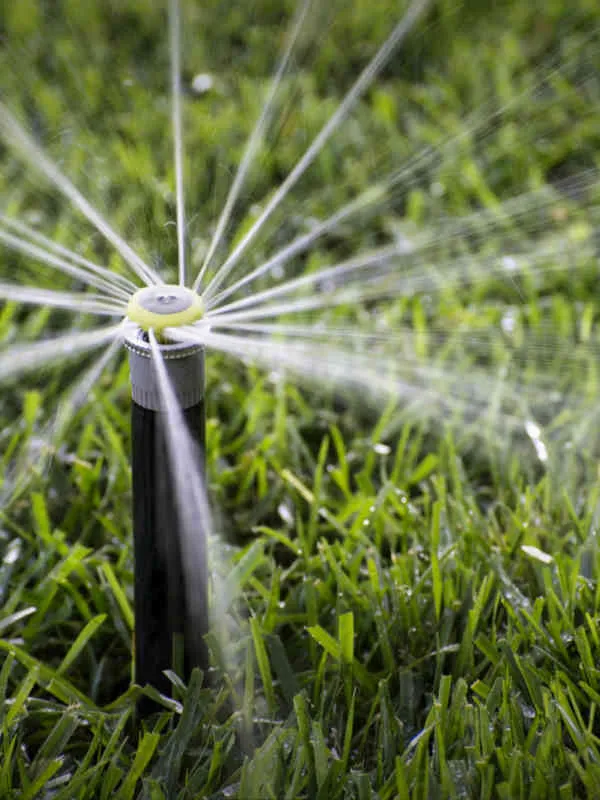
The Battle of Methods: Is the Hose in Your Hand Truly the Cheaper Choice?
Many garden owners perceive manual watering as a way to save money. However, in 2026, as water and energy prices reach new highs, the reality is quite the opposite. Watering with a hose is not only inefficient but, in the long run, significantly more expensive than modern automation.
Let’s look at the hard numbers in three key areas: economics, time, and water consumption.
Where the Savings Come From: Automation vs. The Hose
- Water Consumption: Manual watering is imprecise. An automatic system with precision nozzles and soil moisture sensors uses up to 50% less water while achieving better results.
- Time Investment: An average-sized garden requires 1 to 2 hours of watering daily during the season. This amounts to roughly 30 to 60 hours per month that you could spend with family or relaxing.
- Lawn Health: Automation waters at the ideal time (between 3:00 and 6:00 AM), when evaporation is at its lowest. Manual watering in the evening risks mold growth, while watering during the day can scorch the leaves.
- Financial Value: If you calculate your time based on an average hourly wage, the investment in irrigation pays for itself after just one intensive season.
Economic Reality in 2026
With rising tariffs per cubic meter of water, every drop counts. Automatic irrigation works with an "intelligent calendar." If sensors detect rainfall, the system won't run. With manual watering, we often water by guesswork, leading to waste or, conversely, underwatering in critical zones—which later costs money to restore dead patches of lawn.
- Precise Dosing: The system delivers exactly 4-5 liters per m² based on the specific needs of the plants.
- Targeted Distribution: Water goes to the roots, not on the sidewalks or the house facade.
- Night Tariffs: If you use a well, the pump runs during times of cheaper electricity (if you have a dual-tariff meter).
Time is Money
Imagine spending approximately 200 hours with a hose in your hand over a season (April – September). Even valuing your time at a modest $15/hour, that is a "cost" of $3,000 that you don't see on a bill, but you are paying it with your life and energy. Automatic irrigation reduces this cost to zero.
Expert Tip: Modern systems in 2026 are controlled via an app. Even while on vacation, you have absolute control over consumption and the status of your garden.
Conclusion: Investing in Your Freedom
Automatic irrigation has long ceased to be a luxury for the few. It is a rational economic decision for anyone who values their time and wants to manage water responsibly. Ultimately, you don't just save money; you gain a beautiful garden without the daily grind.