

The Cost of "Do It Yourself": When Initial Savings Turn into a Nightfall Nightmare
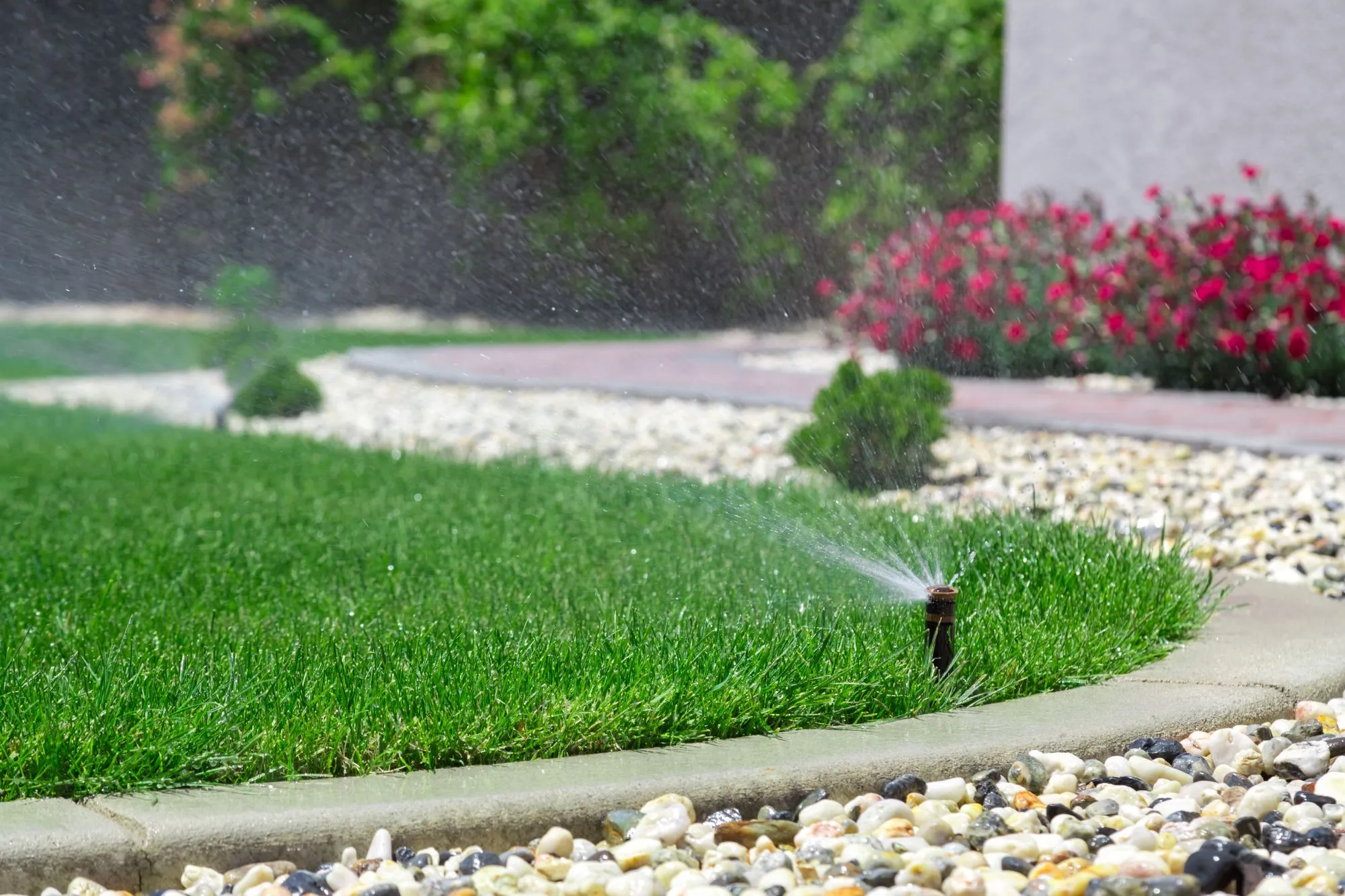
In 2026, the internet is flooded with tutorials on how to build a house, fix a car, or install an automatic irrigation system. On video, it looks simple: buy a few pipes, lay out some nozzles, and your garden turns lush green overnight. However, the reality in many backyards is drastically different. DIY irrigation projects end up requiring professional intervention in up to 70% of cases, often to save what remains of the original lawn and the homeowner's sanity.
The problem is rarely a lack of handiness but rather a lack of specialized expertise in hydraulics and botany. Irrigation is not just about "burying hoses." It is a complex engineering task that must account for pressure losses, flow rates, fluid dynamics, and the specific needs of different soil types. If you make a mistake at the design stage, the result is a torn-up garden that stays bone-dry in one corner and turns into a moldy swamp in another.
Most Common Mistakes That Will Cost You a Fortune
When providing turnkey solutions, we increasingly encounter systems that homeowners built themselves in an attempt to save money. Here are the most common critical errors that lead to total system failure:
- Incorrectly Calculated Pressure and Flow: This is the "silent killer" of every DIY project. A homeowner buys nozzles with a 10-meter spray radius, but after activation, they find the water barely bubbles a few inches above the ground. Why? Because the pipe diameter is too small, the run is too long, or too many sprinklers are attached to a single zone that the water source cannot support.
- Lack of Head-to-Head Coverage: Amateurs often assume that if the water from one sprinkler reaches the next, it is sufficient. In reality, a sprinkler distributes the least amount of water directly underneath itself. Without 100% overlap (where one nozzle sprays all the way to the base of the next), chronic dry spots appear, eventually killing the grass.
- Poor Component Selection from Retail Stores: Consumer-grade kits from big-box retailers are not designed to handle "water hammers"—pressure surges that occur when valves shut off. This results in cracked valves, leaking joints, and hidden underground leaks that you only discover when you receive an astronomical water bill.
- Ignoring Zone Requirements: Lawns, shrubs, and raised vegetable beds have vastly different water requirements. DIY systems often group them all together, leading to a situation where the lawn thrives while the ornamental trees literally rot in oversaturated soil.
Professional Insight: Repairing a poorly designed and already buried irrigation system often costs 50% to 80% more than a fresh professional turnkey installation. The reason is the difficulty of locating leaks, the need for excavation in finished landscapes, and the replacement of incompatible or low-quality parts.
The Psychological Price of DIY: Constant Stress Instead of Relaxation
A garden is meant to be a place of rest and regeneration. However, if you spend every weekend adjusting nozzles that get stuck or manually supplementing dry patches with a hose, the system is failing its primary purpose. Turnkey irrigation provides "peace of mind." You have the certainty that the system was designed by an expert who understands fluid dynamics and that every nozzle operates exactly as calculated.
Furthermore, DIY installations often lack a conceptual solution for winter. A single drop of water left in a brass valve can freeze and shatter the entire valve manifold during winter. Professionals include drainage valves and compressor access points in turnkey installations, which are crucial for safely blowing out the system with air. This extends the lifespan of the equipment by decades.
Why a Turnkey Project is Actually Cheaper in the Long Run
When you add up the cost of materials (which you buy at retail prices), the hours spent studying manuals, buying specialized tools, and the subsequent endless repairs, professional installation is far more economical. A professional company also has access to wholesale pricing for premium components from brands like Hunter or Rain Bird and uses specialized machinery, like vibratory plows, that install pipes with minimal damage to your existing turf.
- Guaranteed Functionality: If the lawn dries out, the contractor bears full responsibility and must fix the issue at their own expense under warranty.
- Maximum Water Savings: A precisely calibrated system equipped with rain and soil moisture sensors uses 30–50% less water than a non-professional "DIY kit."
- Expert Soil Analysis: A professional can identify your soil type (clay vs. sandy) and set optimal irrigation intervals so the lawn’s root system can breathe and grow deep.
Conclusion: Don't Risk a Ruined Garden
The fear of making a mistake in irrigation is entirely justified. It is not just about technical functionality; it is about the overall aesthetic of your home. A beautiful, deep green lawn is a homeowner's calling card. Ruining it through unprofessional intervention hurts your wallet and your pride.
Before you pick up a shovel and buy the first hose on sale, stop and think. Get a non-binding project quote from the experts. Turnkey irrigation is not an expense; it is an investment that protects your most valuable asset—your time. It ensures your garden stays in perfect condition without unnecessary excavations, puddles, or yellow patches.